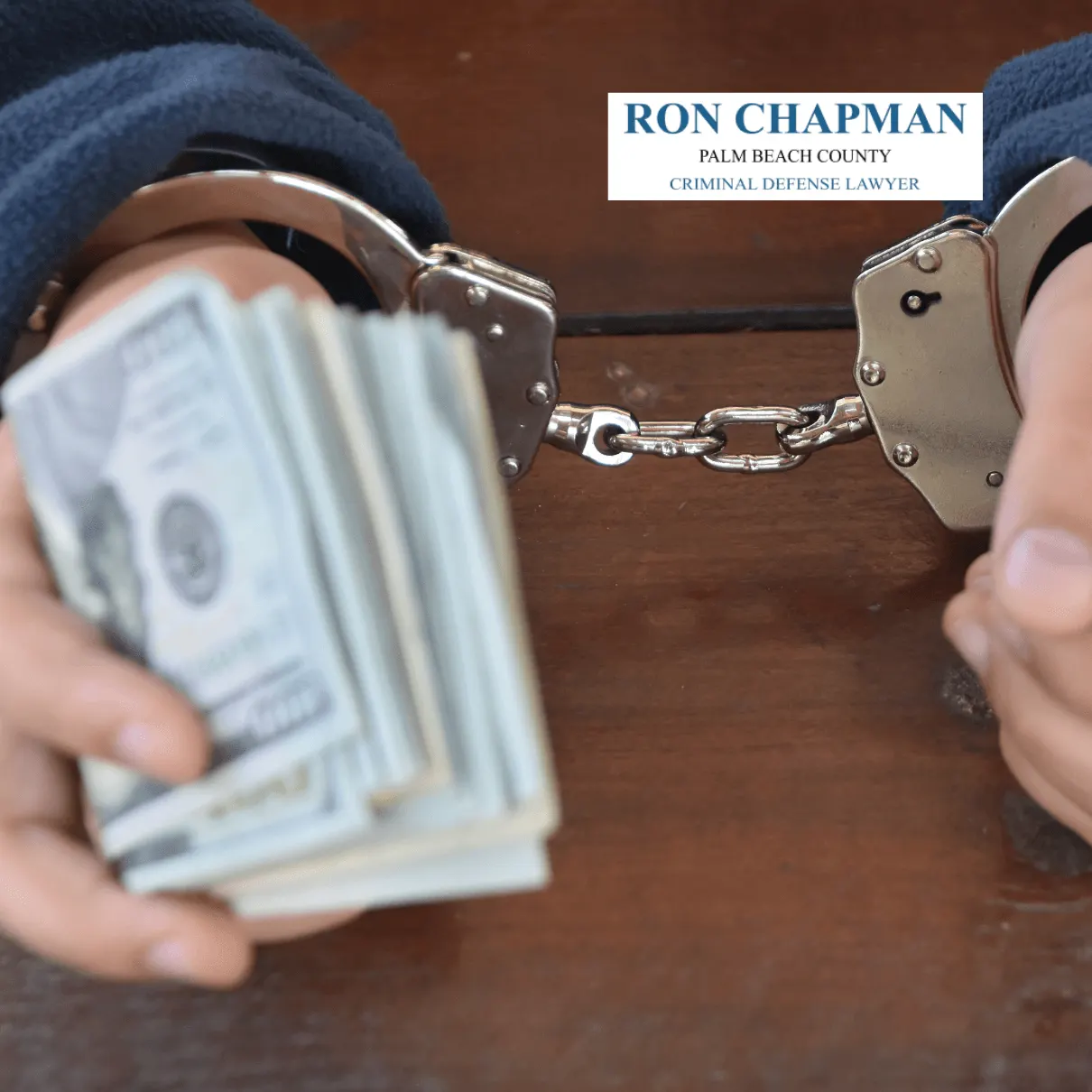
It’s the middle of the night in West Palm Beach. Your phone rings, and the last thing you expect to hear is that your loved one has been arrested. At the jail, you’re told the bond amount set by the county schedule. For most families, coming up with the full cash bail is nearly impossible. Instead, you turn to a bail bondsman, who usually charges 10 percent of the total bail.
Even that smaller portion can mean draining savings, using credit cards, or borrowing from relatives. The relief of seeing your loved one walk free is immediate, but the financial strain is real.
As the case moves forward, another question begins to weigh on you: can you get bail money back once everything is over? Families across Palm Beach County face this question every day. The answer depends on whether you worked with a bondsman, posted cash bail, or used another option available under Florida law.
Understanding how bail money is handled at the end of a case can protect your finances while you deal with the realities of the criminal justice system. Before looking at whether bail money is refundable, it helps to know how bail is first set in Palm Beach County.
How Bail Is Set in Palm Beach County
In Palm Beach County, the person facing charges (called the defendant) can often post bail immediately after booking because the jail follows a standard bond schedule. This schedule lists preset bond amounts for most common offenses, which allows families to arrange release right away without waiting for a judge.Even when someone has already bonded out, Florida law requires that every defendant appear before a judge within 24 hours of arrest for a first appearance hearing (Fla. R. Crim. P. 3.130). At this hearing, the judge reviews the probable cause affidavit and decides whether to keep the scheduled bond in place, raise or lower the bond amount, or allow release on the defendant’s own recognizance.
In more serious cases, such as certain violent felonies or probation violations, the preset bond schedule does not apply. In those situations, the defendant must wait until the first appearance for the judge to set bail. The judge’s decision is guided by several factors, including:
- The seriousness of the crime charged
- The defendant’s prior criminal record
- Any signs of being a flight risk
- Input from the State Attorney’s Office
- Whether the defendant poses a potential danger to the community
Options for Posting Bail
When bail is set in West Palm Beach, families generally have three ways to secure release for the defendant:- Cash bail: Paying the entire amount upfront. If you attend all hearings, the court returns the money at the end of the case, minus court fees or fines.
- Bail bonds: Many defendants cannot afford bail. A bail bondsman posts the bond for a non-refundable fee, which under Florida law is typically 10 percent of the total bail amount or $100, whichever is greater. This fee is set by law. In federal cases, the percentage may be higher, often around 15 percent.
- Release on recognizance: Sometimes the judge allows release without payment if the defendant is considered low risk.
When Bail Money Is Refundable
Whether money is returned later depends on the method used. If you posted cash bail and the defendant appears at every court date, the court will refund the money once the case ends, even if the person is later found guilty. The refund may be reduced if fines, restitution, or court fees are owed.If you used a bail bondsman, the 10 percent fee is considered payment for the service and is not refundable under Florida law. Even if the case is dismissed or the defendant is acquitted, that money is kept by the bondsman.
When someone is released on their own recognizance, no payment is made, so there is nothing to refund. Even when a refund is possible, many families are surprised at how long it actually takes to receive the money.
How Long Does It Take to Receive a Refund?
Families often expect refunds immediately, but Florida courts typically return bail money only after the criminal trial ends or the case is otherwise resolved. If the defendant is found guilty, the court may use part of the bail to cover restitution or fines.In Palm Beach County, refunds are usually mailed within about 10 business days after the court discharges the bond, although it can take longer in more complex cases or appeals. In other counties, refunds may take anywhere from two to eight weeks depending on local procedures.
When You Can Lose Bail Money
Certain actions can cause bail money to be forfeited entirely:- Failing to appear at a court hearing
- Violating release conditions set by the judge
- Committing new crimes while out on bail
Bond Hearings in Florida
Earlier, we discussed the first appearance hearing, which happens within 24 hours of arrest and is when a judge first sets or confirms bail. But for families who cannot afford the amount that was set, there is another option: requesting a bond hearing.A bond hearing is separate from the first appearance. It gives the judge a second opportunity to review the bail decision. At this hearing, your attorney can argue for lowering the bail or for release on the defendant’s own recognizance, while the State Attorney’s Office may argue against it.
During a bond hearing, the judge considers:
- The strength of the evidence in the police report
- The defendant’s past compliance with court dates
- Any history of being a flight risk or prior failures to appear
- Whether the defendant poses a potential danger to the community
Get Legal Guidance on Bail and Getting Your Money Back
Bail decisions affect more than whether someone spends the night in jail. They impact finances, court strategy, and how much freedom you have while waiting for your case to move forward. If you need answers about posting bail, bail refunds, or how to approach a bond hearing, Ronald S. Chapman can review your situation.With more than 34 years of experience representing defendants in West Palm Beach criminal courts, criminal defense lawyer Ronald S. Chapman personally reviews each case. He has a proven track record of standing up for clients in front of judges and juries and has guided numerous clients through Florida’s complex legal system.
Call (561) 832-4348 or use the confidential online form to schedule a meeting with a bail lawyer. We are available 24/7 to discuss your case.